You Don't Need a Camera Upgrade: The 2008 Camera you should still buy in 2026.
The Canon EOS 5D Mark II was a professional line camera released in November of 2008, is it still a good camera to buy in 2026? You can currently buy it for around £150-250 on the used market and I am about to tell you why you should still consider this camera as a photographer now.
For some context, I have been a working photographer for the past 10 years and before that a hobbyist photographer for almost another decade. I started on the Canon EOS 600D and then switched to the 5D MARK II when I started earning money. I realised I needed something with a bit more reliability and professionalism; and that’s exactly what I got. Canon is renowned for having the best colour science in the game, it also (in my humble opinion) gives the best files to edit because you can really push the data without losing quality. This is important if you’re in a fast paced situation and accidentally under or (slightly) overexpose something.
The 5D Mark II has accompanied me on fashion campaigns, product photography shoots, hotel and experience shoots, an in-house senior photographer role and my world travels. This camera is still in my backpack (now as a second body) and won’t be leaving any time soon. Here are 5 reasons you should be buying the Canon 5D Mark II as a photographer in 2026.
It is a full frame, 21.1 megapixel, professional line camera for under £300
Camera bodies have certain specifications that are important and a whole host of features that most people will likely never use. As a photographer (especially if you’re a beginner or even a seasoned hobbyist) there are only a few things you really need to consider to get ‘better’ photographs out of your gear.
Full frame over crop sensor
Megapixel size
Autofocus
Full frame means the sensor on the camera measures 35mm x 24mm which is the same as traditional film. It is uncropped as opposed to APSC or Micro 4/3 allowing it to process more data and perform better in low light, better dynamic range and a better shallow depth of field which allows you to make the most out of your lenses.
The megapixel size is important, but only up to a point. A 12-16mp camera is going to be just fine if you want to take photos and upload them to instagram with a light edit. A 21-24mp camera is roughly industry standard (more so 24mp these days) and provides a great balance of detail and data with file sizes that won’t eat up all your storage. Anything above this doesn’t need to be considered unless you’ll be heavily cropping your images, printing large wall art or working in a high-end commercial environment where every pixel is inspected.
Autofocus has come an extremely long way in the past two decades and is something to consider here, if you’re shooting sports or wildlife then perhaps the 5D isn’t going to work for you. But I will say I’ve used this in some pretty high pressure and fast pace situations and have very rarely missed focus. This camera body is truly excellent and though missing some 2020-something features, I actually had no need to upgrade this body yet as a photographer besides the fact I now shoot video and needed those specs (and my shutter count is astronomical). Which leads me onto my next point.

5D Mark ii + EF 70-200mm L f/2.8
2. Easy access to professional line lenses
There used to be a lot of rhetoric that I don’t often see anymore but still rings true. The quality of the photographs is in the lens (or glass) and not the camera body. Yes, there are certain things to think about which I have mentioned in the point above but even with a 60mp Hasselblad camera, the images won’t look good with a cheap and badly made 50mm lens. Another great reason to invest in the Canon 5D Mark II is that with the money you save on the body, you can invest in incredible lenses. I have almost the entire ecosystem of EF L line lenses and they are what I still use today, just with an electronic adapter.
My most used lens is probably my Canon EF 24-70mm f2.8L II USM Lens which is available for about £850 on the used market but is still £1,999 (!!!!!) new and it’s RF equivalent runs for £2,500. If you get the 5D Mark II and a used 24-70 you can quite literally have the same set up that I use as a working professional for less than the price of the lens alone.

5D Mark II + EF 24-70mm L f/2.8
3. The build quality is excellent
Canon ergonomics and build quality are rarely beaten in the range of affordable cameras. As it’s a professional line camera it’s built with that in mind. It has a magnesium alloy body which I have found to be extremely dent resistant, it feels very robust and has a grippy body to avoid any drops or slips. It also has weather sealing to help protect against dust and moisture.
I am unfortunately a very heavy handed and clumsy person. I regularly put my camera’s through the ringer and though my cameras do have visible signs of wear (although not my newest thanks to a small rig cage!) they have never broken on me. I have dropped, had tripods fall over and bashed my canon about and it has withstood the test of my unfortunate neanderthal-like predisposition.
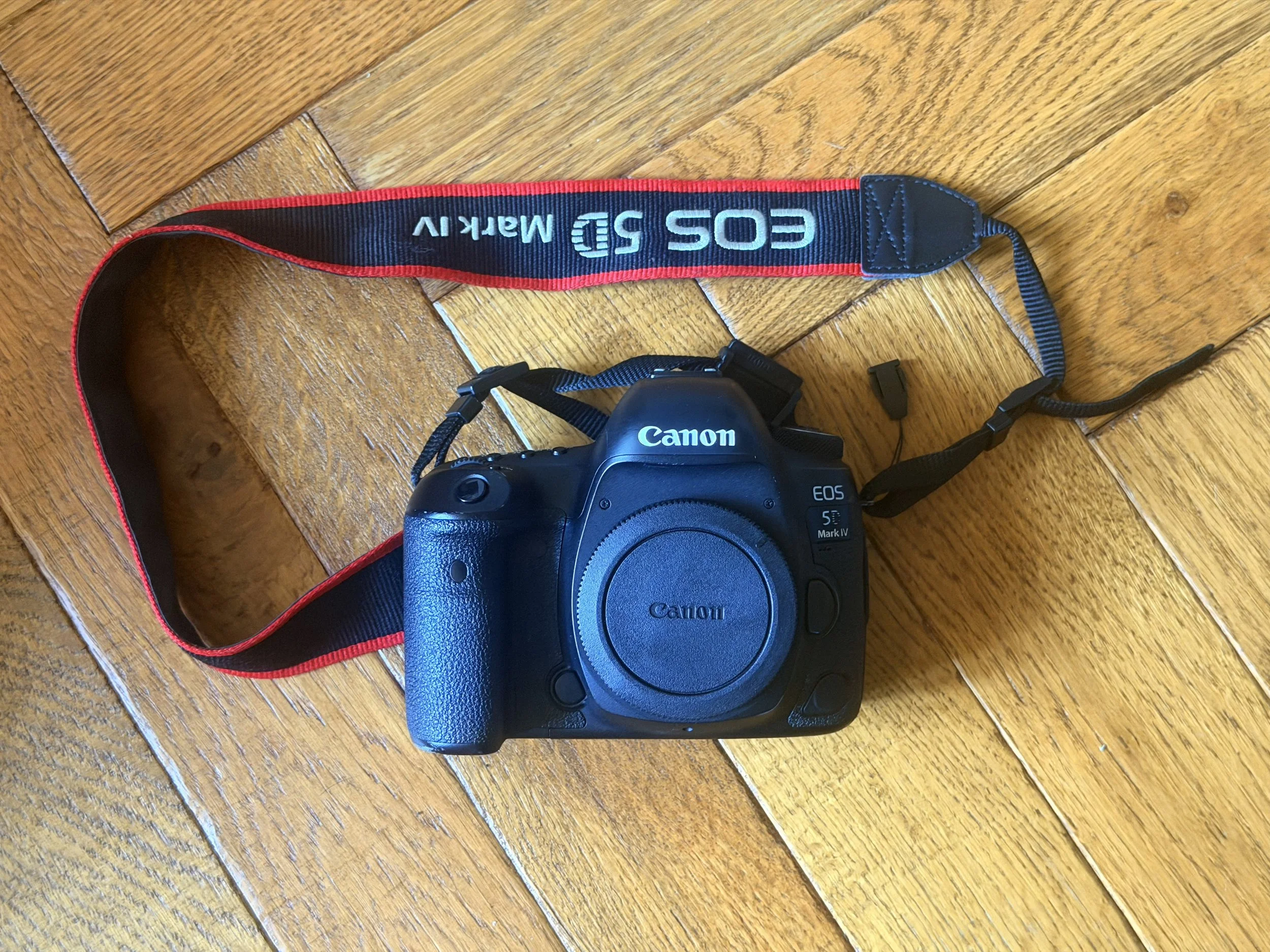
My Canon 5D Mark II after almost a decade of heavy use.
4. The video specs are actually quite good
Most new cameras are aimed at the James Camerons of the Youtube space. Opengate, 10-bit 4:2:2 colour sampling, massive dynamic ranges, CODECs blah blah blah. I’m going to go ahead and say that actually, 90% of people don’t and won’t need this. Unless you’ve learnt to colour grade and are making GAWX level short films, I think you can miss these specs and settle for the camera that revolutionised DSLR filmmaking in the first place. This camera is good enough to make short videos for Instagram, TikTok or Youtube for those who want great quality and colours without having to colour grade or break the bank. You can shoot in full 1080p HD and it possesses that highly sought-after nostalgic feel. Great for beginners & hobbyists.

5D Mark ii + EF 70-200mm L f/2.8
5. It will teach you how to actually be a photographer
I am truly grateful to have grown up and learnt to use a camera in a time where my camera could not do it all. A lot of people call themselves photographers these days because they paid a lot of money for a high spec body & lens and their out of camera photographs are great quality and retain nice colours. The autofocus, the in-built AI and the easy-to-use auto settings give you a great foundation and that’s where the learning stops. Unfortunately, though lacklustre in other areas such as composition or storytelling anyway, the person using this gear as a beginner never really gets to learn the art of using a camera. I know a few photo/video influencers that wouldn’t actually be able to take a photograph on manual settings. Learning the art of photography on the Canon 5D Mark II means a great cross between helpful features such as Highlight Tone Priority, custom buttons for different scenarios to quickly get settings right and autofocus micro adjustments for up to 20 lenses. I am aware you can do these things on most modern cameras, but stripping back on the fancy new bells and whistles allows you to think for yourself and make your own choices on settings to get the photograph you want.

5D Mark ii + EF 70-200mm L f/2.8
In short, if you are a beginner, a seasoned hobbyist or at the beginnings of a working photography career, I still think this camera is a great buy in 2026. If you feel you need Hybrid or Video-specific then perhaps the R line is something for you to look at but I’ll still be taking my 5D on plenty of paid shoots this year.